The Science & Clinical Evidence Behind HBOT
Evidence-Based Hyperbaric Medicine in Wenatchee, WA
When evaluating new treatments for tissue recovery, inflammation, or cellular health, you deserve transparency, clinical backing, and strict regulatory safety.
Hyperbaric Oxygen Therapy (HBOT) is an established medical modality supported by decades of clinical research. At our Wenatchee clinic, every HBOT protocol is strictly prescribed, managed, and supervised by Dr. Ben Hawthorne, ND, fully complying with Washington State healthcare regulations and professional licensing standards.
1. How HBOT Works at a Cellular Level
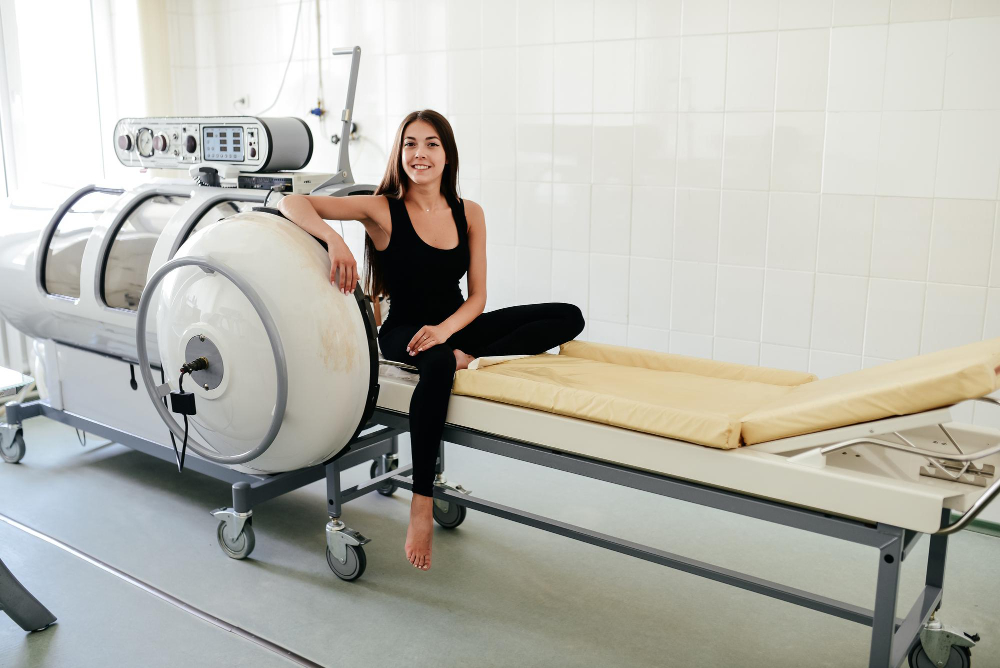
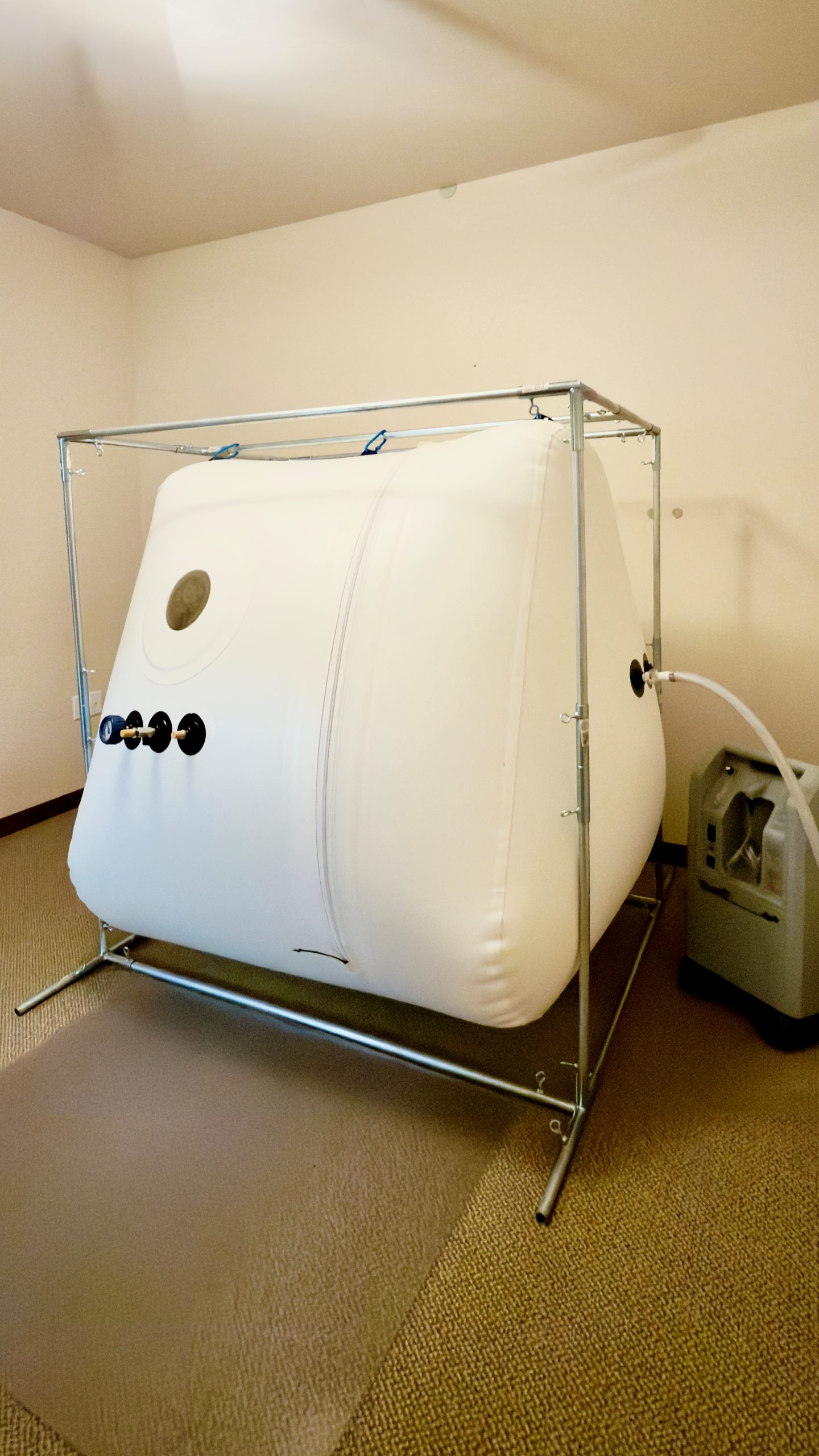
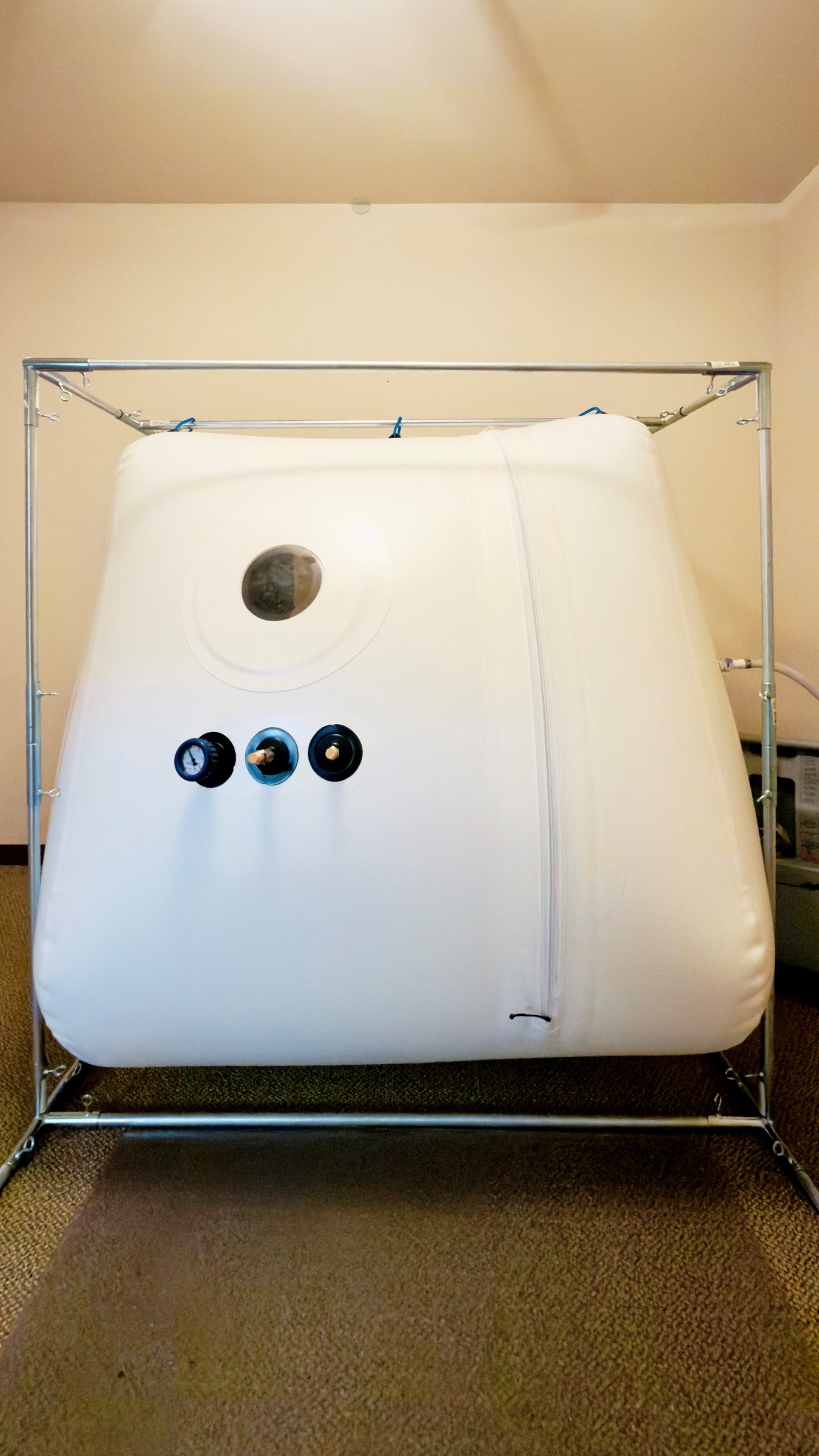
Under normal atmospheric pressure, oxygen is transported through your body almost exclusively by red blood cells. During an HBOT session, you rest in a pressurized environment while breathing concentrated oxygen.
This creates a physical law of physics (Henry’s Law) that allows oxygen to dissolve directly into your blood plasma, cerebrospinal fluid, and deep lymphatic tissues. This floods oxygen-starved tissues even when local blood vessels are damaged or constricted.
2. Key Benefits Backed by Clinical Research
Clinical studies highlight several primary mechanisms of action that drive HBOT’s therapeutic effects:
Stimulation of Angiogenesis (New Blood Vessel Growth)
The Science: High oxygen gradients stimulate fibroblasts and vascular endothelial growth factor (VEGF), encouraging the formation of new capillary beds in damaged or ischemic tissues.
Reduction of Inflammation & Edema
The Science: Hyperbaric pressure causes vasoconstriction that reduces fluid leakage and swelling while maintaining high tissue oxygenation, helping modulate immune response and inflammatory cytokines.
Enhanced Fibroblast & Collagen Production
The Science: Oxygen is a critical cofactor for collagen synthesis. Research confirms that hyperbaric oxygen accelerates cellular proliferation necessary for tissue remodeling and wound closure.
Mitochondrial Energy (ATP) Optimization
The Science: Flooding cells with bioavailable oxygen optimizes mitochondrial respiration, helping restore energy production in fatigued or stressed cellular environments.
3. Scientific Sources & Clinical Literature
The therapeutic mechanisms and applications of hyperbaric medicine are documented across major medical journals and federal health institutions:
Undersea and Hyperbaric Medical Society (UHMS)
The global authority on hyperbaric medicine, publishing extensive peer-reviewed guidelines detailing the physiological effects of hyperbaric oxygen on tissue perfusion, angiogenesis, and inflammatory modulation.
National Institutes of Health (NIH / PMC Reviews)
Clinical literature evaluates the efficacy of hyperbaric oxygen therapy in accelerating recovery, mitigating oxidative stress, and supporting neurological and soft-tissue healing under hypoxic (low-oxygen) stress.
Peer-Reviewed Orthopedic & Wound Care Journals
Studies published in journals such as Advances in Wound Care and the Journal of Orthopaedic Surgery and Research consistently demonstrate the role of hyperbaric oxygen in promoting cellular regeneration and supporting post-surgical or post-injury recovery protocols.
4. Washington State Compliance & Safe Care
In Washington State, hyperbaric oxygen therapy and advanced regenerative modalities require rigorous clinical oversight to ensure patient safety.
- Direct Medical Supervision: Under the clinical direction of Dr. Ben Hawthorne, ND, your health history, medical status, and recovery goals are thoroughly evaluated before any therapy begins.
- Customized Protocols: There are no cookie-cutter treatments. Every session length, pressure level, and frequency is tailored specifically to your clinical profile in compliance with Washington State naturopathic and medical practice standards.
Experience Safe, Supervised HBOT in the Valley
If you are looking to accelerate your healing, reduce chronic inflammation, or optimize cellular wellness under professional medical care, we are here to help.
Learn More
Here are the specific, peer-reviewed medical and scientific sources supporting the physiological mechanisms and clinical applications of Hyperbaric Oxygen Therapy (HBOT):
1. Professional Societies & Global Standards
Undersea and Hyperbaric Medical Society (UHMS): The international authority on hyperbaric medicine that defines and establishes the clinical parameters of HBOT (such as breathing near 100% oxygen at pressures ≥1.4 atmospheres absolute). UHMS peer guidelines detail the physiological mechanisms governing hyperbaric oxygen delivery, tissue perfusion, and adjunctive wound/tissue care. pmc.ncbi.nlm.nih.gov/articles/PMC8394403
2. Peer-Reviewed Cellular & Physiological Mechanisms
Angiogenesis and Neovascularization (StatPearls / NCBI NIH): Clinical reviews evaluating hyperbaric oxygen therapy demonstrate its role in upregulating vascular endothelial growth factor (VEGF) and stimulating fibroblast proliferation, which significantly increases the rate of new capillary bed formation (angiogenesis) in hypoxic or ischemic tissue environments. pmc.ncbi.nlm.nih.gov/articles/PMC13109970
Oxidative Stress Modulation & Anti-Inflammatory Pathways: Translational reviews published in journals indexed by the National Institutes of Health (PMC) examine how controlled hyperbaric oxygenation helps modulate pro-inflammatory cytokines, manage acute-phase proteins, and reduce localized tissue edema while optimizing cellular energy pathways.
Collagen Synthesis and Tissue Repair: Orthopedic and wound-care literature documents that molecular oxygen acts as an essential cofactor for proline and lysine hydroxylation, making high-oxygen plasma gradients necessary for proper extracellular matrix synthesis, collagen production, and tissue remodeling.