The Science of Healing: How PRP Restores Joint Health Naturally
Evidence-Based Regenerative Care in Wenatchee, WA
If you are dealing with chronic joint pain, cartilage wear, or a lingering sports injury, you’ve likely been told your options are limited to temporary pain relievers, recurring steroid shots, or invasive joint replacement surgery.
There is another way. Platelet-Rich Plasma (PRP) therapy harnesses your body’s own concentrated healing factors to repair damaged tissue and target the root cause of joint degeneration.
Below is an overview of how PRP works, backed by current orthopedic and regenerative medicine research.
1. What is PRP? (The Biological Breakdown)
Your blood is composed of red blood cells, white blood cells, plasma, and platelets. While platelets are best known for helping blood clot, they are also packed with hundreds of specialized proteins called growth factors.
When an injury occurs, your platelets rush to the site to initiate repair. PRP therapy amplifies this natural response:
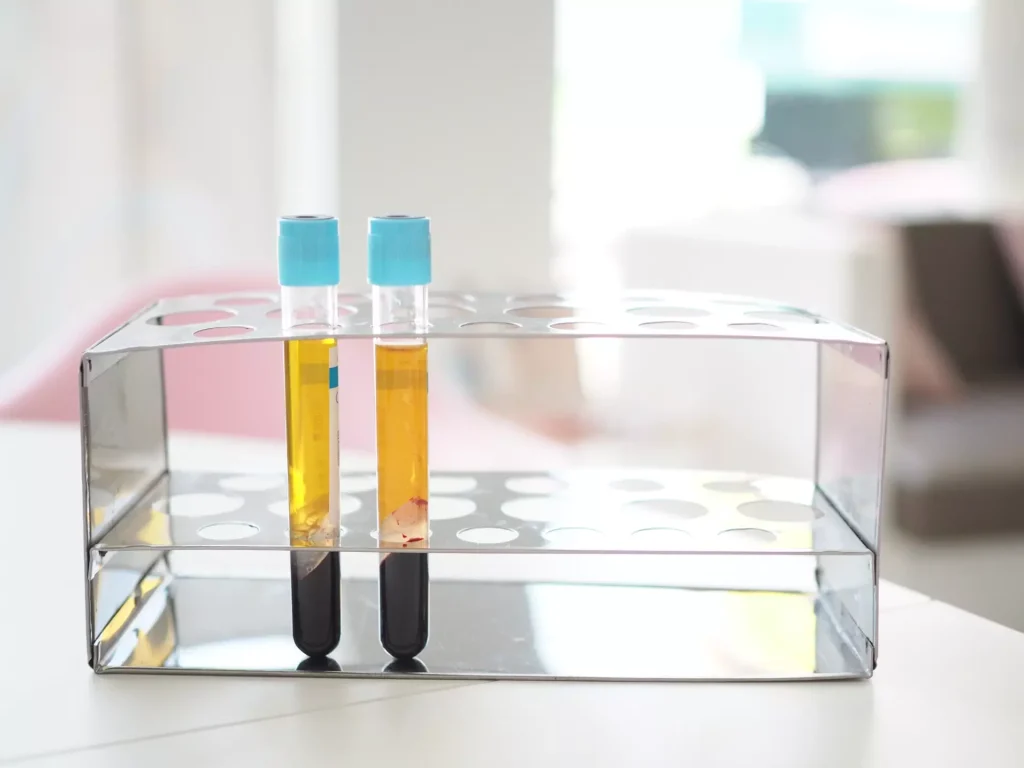
- The Blood Draw: We take a small, routine sample of your blood.
- The Centrifuge: The sample is spun in a specialized centrifuge to concentrate the platelets up to 5x to 10x normal levels.
- Targeted Delivery: We precisely inject this high-concentration growth factor serum directly into the injured joint or tendon.
2. The Core Scientific Benefits (Backed by Research)
Clinical trials and orthopedic studies show that PRP provides several distinct mechanisms for joint recovery:
1. Accelerated Tissue Regeneration & Repair
The Science: Growth factors such as Transforming Growth Factor-beta (TGF-β) and Platelet-Derived Growth Factor (PDGF) stimulate collagen production, cellular proliferation, and extracellular matrix synthesis.
What it means for you: Instead of just masking discomfort, PRP signals your body to actively rebuild weakened ligaments, tendons, and micro-damaged cartilage.
2. Reduction of Chronic Inflammation & Pain
The Science: Research indicates that PRP downregulates pro-inflammatory cytokines in arthritic joints while upregulating anti-inflammatory pathways.
What it means for you: Patients experience sustained relief from chronic joint stiffness and aching without the tissue-degrading side effects associated with repeated steroid (cortisone) injections.
3. Improved Local Blood Supply (Angiogenesis)
The Science: PRP promotes angiogenesis—the formation of new, healthy micro-blood vessels. Joints like knees and shoulders naturally have limited blood supply, making them slow to heal. PRP improves local circulation to nourish starved tissues.
3. What Does the Research Say? (Key Clinical Findings)
When helping patients decide on care, we look at robust clinical data. Major orthopedic journals highlight the efficacy of PRP:
- Knee Osteoarthritis: Multiple randomized controlled trials (RCTs) demonstrate that PRP injections provide significantly greater pain relief and functional improvement at 6, 12, and 24 months compared to hyaluronic acid (viscosupplementation) or saline placebos. (For example, studies published in the American Journal of Sports Medicine consistently show superior long-term outcomes for mild-to-moderate knee degeneration).
- Tendon & Ligament Healing: Research on chronic tendinopathies (such as rotator cuff tendonitis or patellar tendinopathy) shows that PRP successfully prompts tissue remodeling where conservative physical therapy alone has plateaued.
4. Why Patients Choose PRP Over Conventional Options
| Treatment | How It Works | Tissue Impact |
|---|---|---|
| Pain Relievers (NSAIDs) | Masks pain signals via chemical pathways. | Zero repair; long-term use can impact gut/kidney health. |
| Cortisone Shots | Powerful short-term anti-inflammatory. | Can weaken cartilage and degrade surrounding tissue over time. |
| PRP Therapy | Concentrates your own biological growth factors. | Actively stimulates tissue repair, reduces inflammation, and preserves joint health. |
5. What to Expect During Your Journey
1. Comprehensive Exam
We evaluate your health history and imaging to confirm you’re a match.
2. In-Office Procedure
A quick blood draw and targeted injection under precise guidance.
3. Gradual Restore
Healing unfolds over weeks as tissue repairs and pain subsides.
- Is it safe? Extremely safe. Because PRP uses your own blood components (autologous), the risk of an allergic reaction or immune rejection is virtually non-existent.
- When will I notice results? Because PRP stimulates natural biological healing rather than acting as an artificial masking agent, improvements build gradually over 3 to 6 weeks as tissue remodels.
Take the Next Step Toward Lasting Relief
If joint pain is holding you back from enjoying an active life in the Wenatchee Valley, let’s look at what regenerative medicine can do for you.
Learn More
1. Key Orthopedic Journals & Meta-Analyses
The American Journal of Sports Medicine (AJSM):
- Major randomized controlled trials (RCTs) and meta-analyses published in AJSM consistently demonstrate that intra-articular PRP injections provide statistically superior pain relief (measured via VAS scales) and functional recovery (measured via WOMAC scores) compared to saline placebos or hyaluronic acid. researchgate.net/publication/387709714
- Research highlights that high-platelet concentration preparations provide clinically meaningful, longer-lasting relief (maintaining benefits through 12 months) for mild-to-moderate joint degeneration.
Cellular Mechanisms & Anti-Inflammatory Pathways: Published studies evaluating the molecular profile of PRP show that growth factors like TGF-β and PDGF downregulate pro-inflammatory cytokines (such as TNF-α) while upregulating tissue-protective pathways, actively shifting the joint environment away from chronic inflammation. briancolemd.com/wp-content/themes/ypo-theme/pdf/prp-in-osteoarthritis-sundman-ajsm.pdf
2. Professional & Institutional Bodies
American Academy of Orthopaedic Surgeons (AAOS / OrthoInfo): Recognizes PRP as a prominent regenerative approach utilizing autologous platelets enriched with growth factors. Clinical summaries note its established utility in managing mild-to-moderate knee osteoarthritis and select chronic tendinopathies (such as lateral epicondylitis/tennis elbow) by stimulating localized tissue healing. pmc.ncbi.nlm.nih.gov/articles/PMC12754507 orthoinfo.org/treatment/platelet-rich-plasma-prp
National Institutes of Health (NIH / PMC Reviews): Extensive biomedical literature evaluating autologous orthobiologics confirms that leukocyte-poor and high-concentration PRP formulations safely stimulate chondrocyte and mesenchymal stem cell activity, promote microvascular angiogenesis (new blood vessel growth), and accelerate extracellular matrix synthesis in avascular or slow-healing joint structures.